Soviet domestic exile and the “Minus Six” restriction
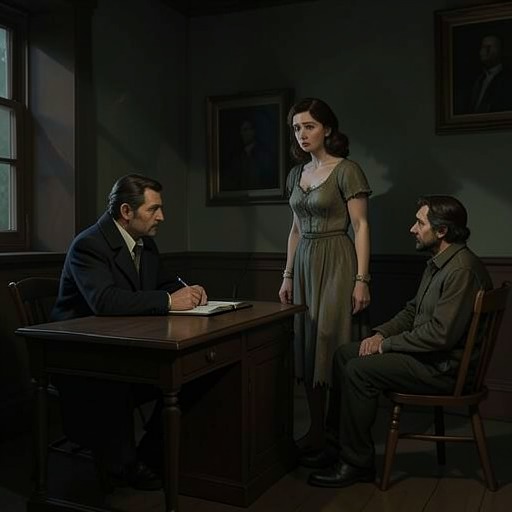
A Gentleman in MoscowSoviet domestic exile and the Minus Six restriction turn a person’s own country into the site of punishment. Rather than severing every tie by expulsion abroad, this system confines or excludes people within familiar national borders, keeping home visible while restricting access to it. In Count Alexander Ilyich Rostov’s reflections on a hotel roof, that contradiction becomes the defining pain of exile at home: the country remains his, but the city below does not.
Meaning and Historical Logic
The novel describes exile as an old punishment, but identifies exile within one’s own country as a specifically Russian refinement. A person may be ordered away from a community without being sent beyond the national border; the punishment lies in being made a stranger among places and people that remain part of the exile’s homeland. The Minus Six is named alongside Siberian exile as one form this domestic restriction can take.
The distinction matters because exile abroad may leave room for a life to begin again. In another country, a banished person might work, build a home, and raise a family. Domestic exile withholds that imagined reset. The exile continues to belong to the country in memory and attachment, yet cannot freely inhabit the places that give that attachment its daily form.
From Imperial Banishment to Internal Exile
The account traces this logic to the eighteenth century, when the Tsars began sending political enemies to Siberia instead of expelling them from Russia. In the novel’s explanation, banishment abroad was judged an insufficient punishment precisely because a person could make a life elsewhere. Sending someone into the empire preserved the exile’s relationship to the homeland while turning that relationship into a source of deprivation.
The Minus Six belongs to the same broad logic of controlled belonging: a person remains within the country but is subject to restrictions on where they may reside. The passage does not enumerate the cities or set out the rule’s administration. Its emphasis falls instead on the condition the restriction creates: physical distance from particular places does not make them emotionally remote. Because what is inaccessible can command intense attention, the exiled may dwell on Moscow’s splendors more than someone free to enjoy them.
Forced Displacement and State Planning
The novel also places domestic exile beside the mass displacement associated with Soviet agricultural transformation, while keeping the two processes distinct. To support the industrial expansion begun with the First Five-Year Plan, the state sought sharply increased grain production. The campaign was premised in part on exiling a million kulaks, described as profiteers and enemies of the common good, although they were also among the regions’ most capable farmers.
The effort to reorganize agriculture met resentment toward new methods, a shortage of tractors, and poor weather. As harvests collapsed, the demand to feed the cities did not recede: quotas and requisitions instead increased and were enforced at gunpoint. The account presents these converging pressures as leading to widespread hardship in the agricultural provinces and starvation deaths among millions of peasants in Ukraine in 1932. This is not offered as a definition of the Minus Six; it shows how forced relocation and administrative demands could form part of a wider system for reshaping where people lived and how they worked.
Rostov’s Roof and the Experience of Exile
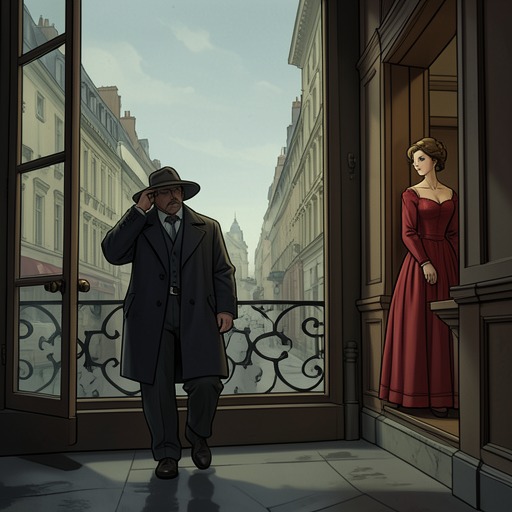
Shortly before midnight, after drinking brandy and six glasses of vodka, Count Alexander Ilyich Rostov climbs through the attic hatch and crosses the hotel roof in unsteady wind. At its northwest corner, he looks out over a city that is both his and not his. The street lamps let him pick out the Boulevard and Garden Rings, with the Kremlin at their center and the rest of Russia beyond. The view makes the structure of internal exile visible: the city is legible from above, but seeing it does not mean being free to belong to it.
From that vantage, Rostov considers domestic exile not as an abstract legal category but as a relationship to unreachable places. Its pressure comes from proximity as much as separation. A person sent far away within Russia may continue to imagine the country in vivid detail; the boundary is not the international frontier but the limits imposed on where that person can go and begin again.
Surveillance, Papers, and Escape
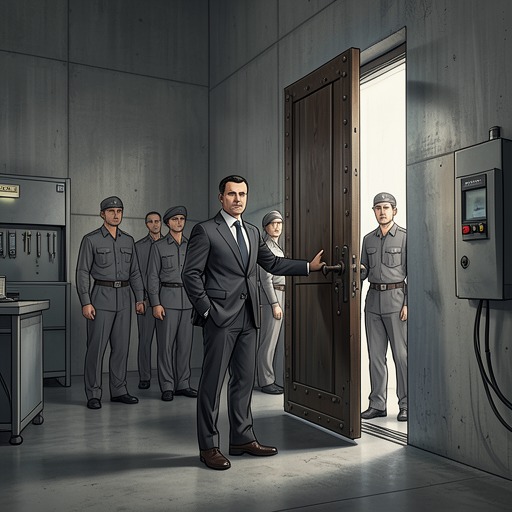
The novel’s later escape sequence supplies a practical contrast to this enforced immobility. To leave the Metropol, Rostov must secure a foreign passport and money, and he knows that a theft could prompt the hotel manager to notify the authorities, lead to staff interviews or room searches, and bring guards to railway stations. He waits for a suitable foreign guest rather than acting early, since discovery would threaten the plan before he could use what he had taken.
Rostov ultimately steals a Finnish passport and currency, then takes a raincoat and hat from an American journalist. Investigators later report that a man wearing the journalist’s clothes boarded an overnight train to Helsinki; the clothes and a Finland travel guide with its maps removed were found in Vyborg. They infer that Rostov left the train there and crossed the border on foot, though officials acknowledge that he may already have escaped their reach. The episode is not itself an instance of the Minus Six. It shows, instead, how escape from confinement requires control over documents, disguises, timing, and routes—and how state surveillance tries to make those movements visible and interceptable. Against domestic exile’s imposed closeness to home, Rostov’s attempt to cross the frontier makes departure, rather than renewed life within the country, the condition of freedom.